KAN VATAN

Blood at the Roots

A neo-western spin on the classic Turkish dizi

A family of olive growers finds an American operative hiding out on their dying grove — just when they need him.

Hatay Province, 2013.

The Yılmaz family has tended their olive grove for seven generations. A dangerous blight is killing the ancient trees. Patriarch Davut — lost to dementia — can’t protect them anymore. His son Kaan, who trades derivatives in Manhattan, swore he’d never return to the family grove. That leaves the youngest daughter Sezen to hold everything together alone.

But death, disgrace, and a mysterious American fugitive from the Syrian border are all heading for the grove — and so is a foreign corporation with its eyes on the land. They’ll need to learn to understand each other to save the trees — and themselves.

The Characters

Sezen Yılmaz
SEZEN YILMAZ
Daughter of the Land
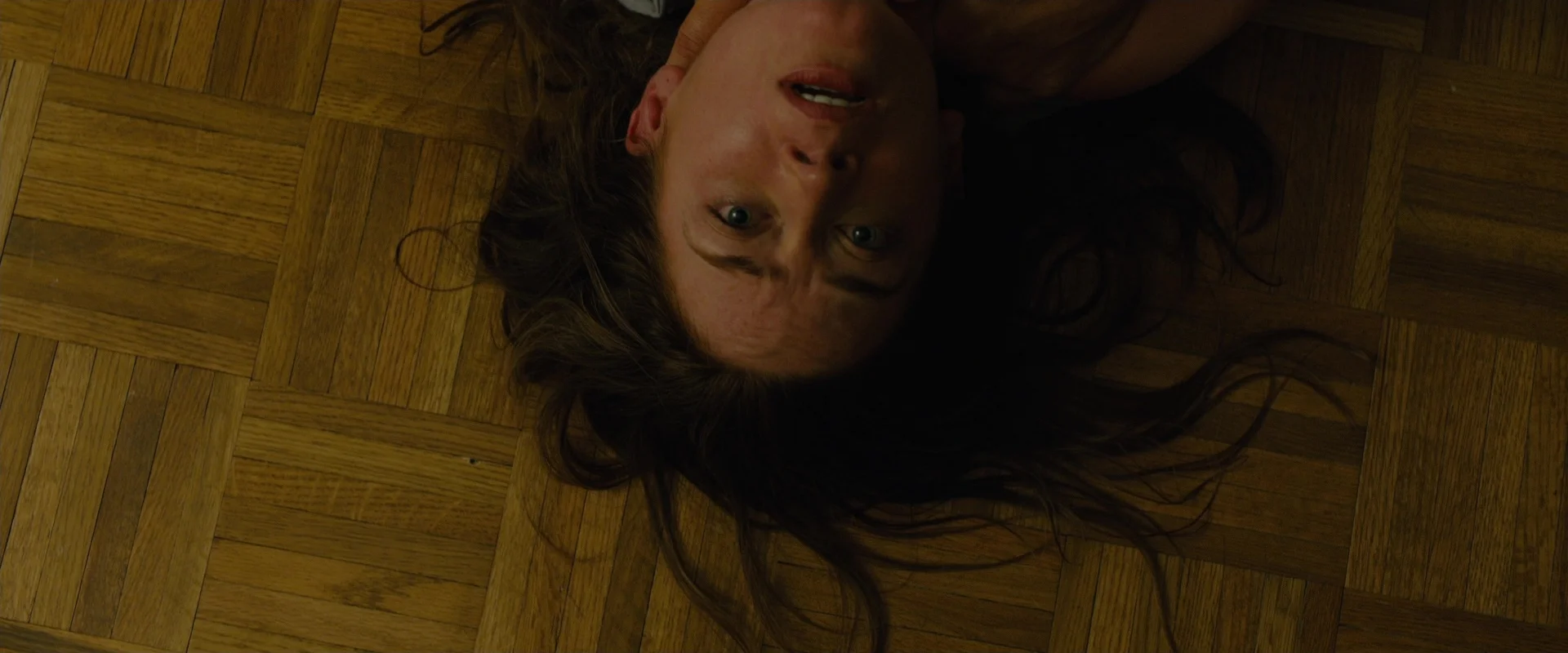
The one who stayed. She gave up her foreign studies when her mother died to take care of her father. But now that her father is sick, she takes care of everything. With the blight sweeping through and her brother unavailable to help, she’s the only one left to protect the trees. And she’s done waiting for permission.
Kaan Yılmaz
KAAN YILMAZ
The Son Who Left
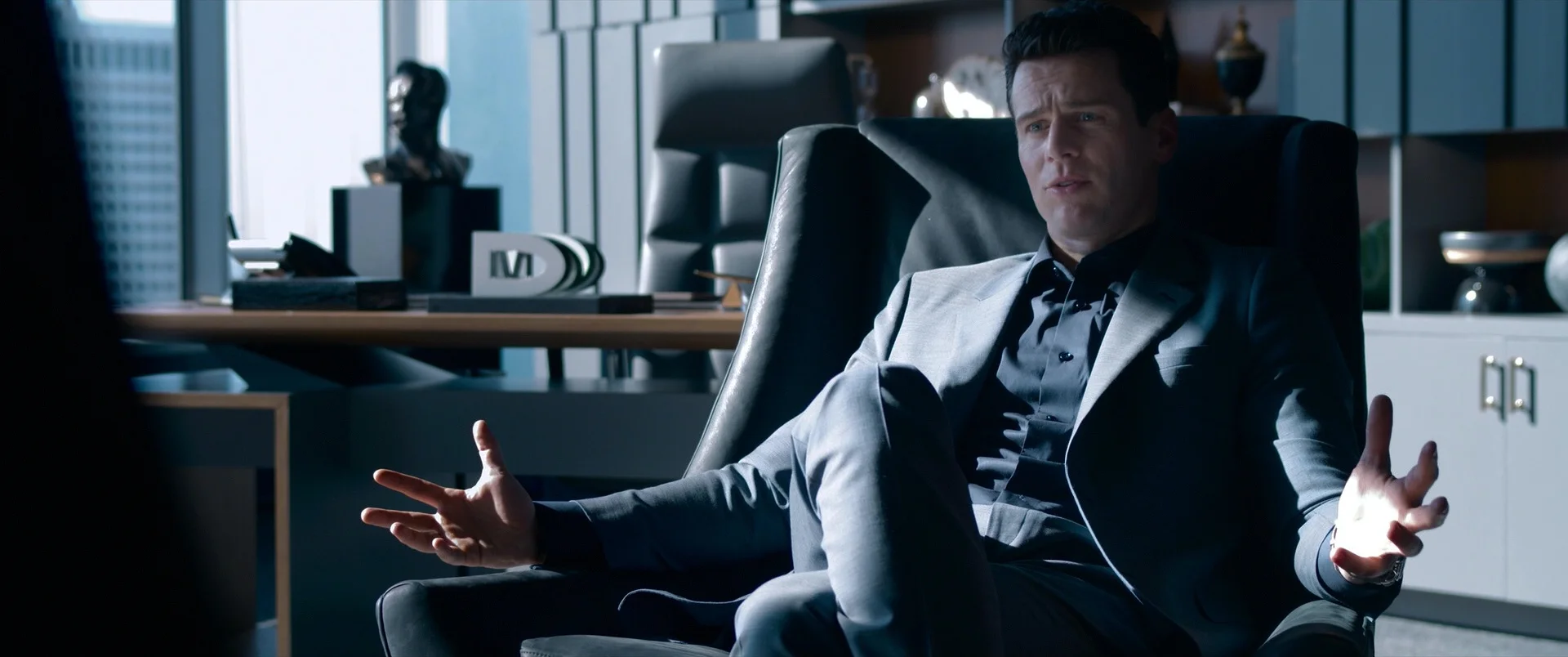
With a dream job at a New York hedge fund, he swore he’d never return to the family grove. But after tragedy strikes, he’s forced to come home. And he’ll stay for the war.
Abe
ABE
The Nomad
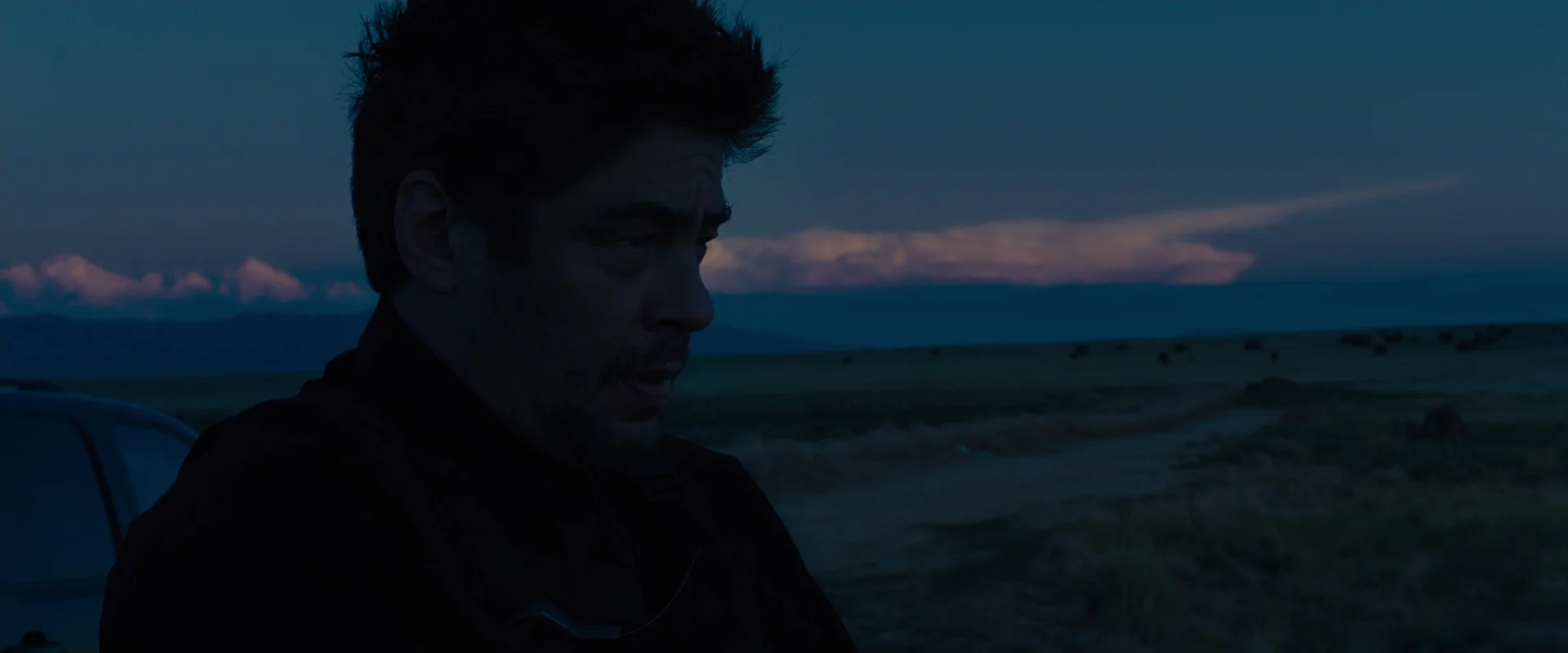
After a mission takes him across the border into Syria, the mysterious American operative comes face to face with the dark heart of humanity. When he turns on his CIA handlers, he has nowhere to go. So he disguises himself as a laborer and finds work on the Yılmaz grove. While he connects with the land in a way Kaan never could, his secrets carry a burden that will put them all at risk.

Tone & Influences

Kan Vatan merges the geopolitical thriller with the Turkish cinematic tradition — Homeland’s paranoid urgency meets the contemplative dread of Nuri Bilge Ceylan, where modern investigations excavate centuries of buried violence. The aesthetic draws from neo-Western noir like Sicario and No Country for Old Men: border zones where law dissolves and violence follows ancient rules. The family-and-land stakes evoke Yellowstone — a dynasty fighting to hold territory against outside forces. The supernatural elements echo Anatolian folk horror — land that remembers, trees that grow from blood, cycles that repeat across empires.

Context

Operation Timber Sycamore
Inspired by Operation Timber Sycamore — the covert CIA program that armed Syrian rebel groups through private contractors. Weapons meant for moderate rebels ended up in the hands of jihadist groups — some connected to bombings on Turkish soil. The border region became a pipeline of weapons, money, and moral compromise.
Hatay Province
Set in Hatay Province, one of the oldest continuously inhabited regions on earth — conquered by Hittites, Romans, Crusaders, Ottomans. The olive trees here can live thousands of years. Their roots connect underground across vast distances. And they can literally fuse with foreign wood through grafting — ancient and new growth becoming one organism.
Cain & Abel
At its core, Kan Vatan is a Cain and Abel story. The farmer who abandoned his land. The nomad who killed a man. And the question of whose blood the soil accepts.

Why Co-Production

Turkish drama is the second most exported television in the world — $600M+ annually, 170+ countries, 750 million viewers. Everywhere except America. The barrier is simple: Americans don’t watch subtitles at scale.

Kan Vatan solves this by design. Drawing on the model of international co-productions like Narcos and Shōgun, the story embeds American characters — a CIA operative, a Turkish-American son raised in the States, an international corporation — so that 40–50% of dialogue is naturally English through premise, not contrivance.

Turkish production quality rivals anything on American cable. The talent, the crews, the locations are world-class. What’s been missing is the right packaging for the US market. Kan Vatan is built to be that bridge.

About the Writer

Written by Max Coyne-Green. Max lives in Turkey for months each year with his wife’s Turkish family, and is deeply immersed in Turkish history, culture, and mythical storytelling traditions. Before writing full-time, he spent a decade managing research for hedge funds and tech companies—experience that directly shapes the institutional machinery driving the story’s conflicts. His proof-of-concept short Human Resource (starring Veanne Cox) is screening at nine festivals in 2025–26, with the feature in development.

More Turkish Concepts →